samsung note7 marks a significant chapter in smartphone history, combining innovative technology with a cautionary tale about safety and consumer trust. Launched with great anticipation, the Note7 was celebrated for its stunning display, cutting-edge features, and impressive camera quality. However, this excitement quickly turned to concern as reports of battery failures emerged, leading to one of the most infamous recalls in tech history.
From its sleek design to its powerful performance, the Samsung Note7 set high expectations in the market. Yet, the series of unfortunate events surrounding its battery issues and the subsequent recall not only impacted Samsung’s reputation but also sent shockwaves through the entire smartphone industry, prompting manufacturers to rethink safety protocols and consumer relations.
Overview of Samsung Note7
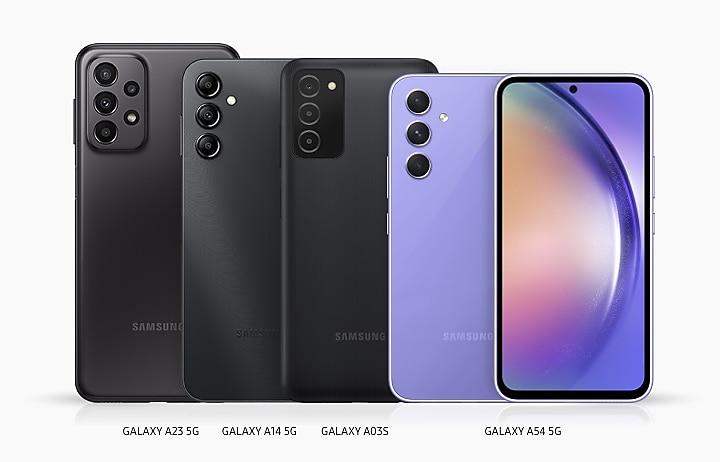
The Samsung Note7, launched in August 2016, was the successor to the popular Note series and promised to deliver cutting-edge technology combined with premium design. Initially met with enthusiastic market reception, the device quickly became a topic of concern due to serious safety issues that ultimately led to its discontinuation. The Galaxy Note7 was hailed for its innovative features, but its legacy is overshadowed by the recall crisis that unfolded shortly thereafter.
The design of the Samsung Note7 featured a sleek glass and metal body, showcasing a 5.7-inch Super AMOLED display with a resolution of 1440 x 2560 pixels. This display offered vibrant colors and deep contrasts, making it ideal for media consumption. Powered by either the Exynos 8890 or the Snapdragon 820 processor, depending on the region, the Note7 provided exceptional performance. The device also included a dual-pixel 12-megapixel rear camera, which was lauded for its ability to capture stunning images even in low light, while the 5-megapixel front camera catered to selfie enthusiasts. The performance was further enhanced by 4GB of RAM and storage options of 64GB, expandable via microSD.
Timeline of Events Leading to Recall and Discontinuation
The timeline of the Samsung Note7’s troubling journey reflects a series of critical events that culminated in one of the most significant product recalls in tech history. Understanding this timeline provides insight into the impact on Samsung and consumer trust.
– August 2, 2016: Samsung officially launched the Galaxy Note7, receiving positive reviews and high consumer demand.
– September 2, 2016: Reports emerged of battery explosions and fires, prompting Samsung to investigate the issue.
– September 15, 2016: Samsung announced a global recall of the first batch of Note7 devices to replace defective batteries.
– October 1, 2016: Samsung resumed sales of the Note7 after replacing the faulty batteries, believing the issue had been resolved.
– October 10, 2016: New incidents of overheating were reported, even in the replaced devices, leading to increased consumer concern and scrutiny.
– October 11, 2016: Samsung issued a second recall, halting sales entirely and advising consumers to power down their devices.
– October 27, 2016: Samsung confirmed the permanent discontinuation of the Note7, a decision that marked a significant setback for the company.
The Note7 was a stark reminder of the importance of rigorous safety standards and quality control in the tech industry.
The fallout from the Note7 incident not only affected Samsung’s financial standing, with billions in losses, but also instigated a reevaluation of battery safety protocols across the industry, influencing how smartphone manufacturers approach design and testing in the years that followed.
Battery Issues and Safety Concerns
The Samsung Note7 faced significant battery-related challenges that ultimately led to a global recall and the discontinuation of the device. Understanding the technical failures and the subsequent safety measures reveals both the complexity of modern smartphone technology and the critical importance of consumer safety.
The battery failures in the Note7 were primarily attributed to manufacturing defects in lithium-ion batteries produced by two suppliers, Samsung SDI and Amperex Technology Limited (ATL). Reports indicated that some batteries had design flaws that resulted in inadequate insulation between the positive and negative electrodes, leading to short-circuits. Additionally, certain cells were found to be over-pressurized, increasing the risk of thermal runaway, a condition where the battery heats uncontrollably and can result in combustion or explosion. According to Samsung, the issue affected around 2.5 million devices globally, raising serious alarm among consumers and regulators alike.
Statistical Data on Battery Failures
The impact of the Note7 battery failures was profound, with numerous incidents reported. By early October 2016, the U.S. Consumer Product Safety Commission (CPSC) documented at least 92 incidents of overheating, with 26 reports of burns and 55 incidents of property damage. The significant risks posed by these failures not only diminished consumer confidence but also prompted airlines around the world to ban the device from their flights. The financial implications for Samsung were staggering, with estimates of over $5 billion in losses due to recalls, replacements, and damages to brand reputation.
Safety Measures Implemented by Samsung
In response to these incidents, Samsung took several critical steps to enhance battery safety and consumer trust. The company established a comprehensive battery safety check program, which included the adoption of an eight-point safety check process for all future devices. This rigorous process involved extensive testing protocols, including:
- Visual Inspection: Each battery undergoes visual scrutiny to identify any physical defects.
- X-ray Analysis: Advanced imaging technology is used to detect potential internal defects.
- Electrical Testing: Batteries are subjected to various electrical tests to ensure safe performance under different conditions.
- Discharge/Charge Cycles: Comprehensive testing of battery performance during charging and discharging.
- High-Temperature Testing: Batteries are evaluated for stability under elevated temperature conditions.
- Over-Discharge Testing: Assessing the battery’s ability to handle extreme discharging scenarios without failure.
- Short-Circuit Testing: Simulating conditions that could lead to short-circuits to ensure batteries remain safe.
- Drop Testing: Evaluating the physical robustness of the battery under drop conditions.
These measures reflect Samsung’s commitment to restoring consumer confidence and ensuring that future devices meet the highest safety standards.
“The safety of our customers is our top priority, and we are committed to implementing rigorous safety measures across our product lines.”
The Note7 incidents served as a pivotal moment for the smartphone industry, prompting not just Samsung but also other manufacturers to reevaluate their battery safety protocols and practices.
Impact on Samsung and the Smartphone Industry

The Samsung Note7 incident marked a significant turning point for the company, not only affecting its financial health but also reverberating throughout the entire smartphone industry. The repercussions of the Note7 recall were felt deeply and widely, reshaping perceptions and practices related to smartphone design, safety, and consumer trust.
Financial Repercussions on Samsung
The recall of the Samsung Note7 resulted in massive financial losses for the company, estimated at around $5 billion. This figure accounts for the costs of replacing the devices, lost sales, and damage to Samsung’s brand reputation. The decline in trust among consumers led to dwindling sales figures in the subsequent quarters, creating a ripple effect throughout the company’s overall revenue streams.
“The Samsung Note7 recall cost the company both financially and reputationally, leading to significant changes in consumer confidence.”
Comparison with Similar Incidents in the Tech Industry
The Note7’s impact on the smartphone industry can be likened to other notable tech incidents, such as the battery issues faced by Apple with the iPhone 6 and the overheating problems of the Galaxy S6. The way Samsung handled the Note7 crisis drew both criticism and praise, offering a case study in crisis management. Companies like Nokia and Sony have also faced recalls due to safety issues, yet the scale and visibility of the Note7 incident were unprecedented.
Influence on Future Smartphone Designs and Regulations, Samsung note7
The fallout from the Note7 incident has led to heightened scrutiny regarding smartphone safety, compelling manufacturers to adopt more rigorous testing protocols. The industry has seen a shift towards greater transparency in the testing of battery technologies, leading to the implementation of new safety regulations.
- Enhanced Battery Testing: Manufacturers are now mandated to adhere to stricter safety standards during battery testing phases.
- Improved Consumer Communication: Companies are more proactive in informing consumers about potential risks associated with their devices.
- Focus on Sustainable Designs: The industry is gradually moving towards designing smartphones that prioritize safety and sustainability, ensuring that materials and components do not pose risks to users.
The Note7 incident has thus acted as a catalyst for transformation within the smartphone market, emphasizing the importance of safety and reliability in product development.
Consumer Reactions and Brand Loyalty: Samsung Note7

The Samsung Galaxy Note7 crisis triggered a wave of responses from consumers that varied from anger to disappointment, while some remained loyal to the brand despite the battery issues. This portion delves into the range of testimonials from users affected by the incident and examines how Samsung’s handling of the crisis influenced consumer perceptions and brand loyalty.
The consumer sentiment surrounding the Note7 incident was mixed, with many users expressing frustration over the safety concerns that surfaced soon after the phone’s release. Notably, the incident led to a significant impact on Samsung’s reputation, as users who had once considered themselves staunch supporters began to question their loyalty. To gain a deeper understanding of the consumer sentiment, a survey was conducted that highlighted various reactions and sentiments towards Samsung in the wake of the Note7 crisis.
Consumer Testimonials and Reactions
Consumer reactions to the Note7 crisis were diverse, encapsulating a range of emotions from loyalty to disillusionment. Many users who experienced issues with their devices took to social media to voice their concerns.
Some common testimonials highlighted include:
-
“I loved my Note7, but when I heard about the explosions, I was terrified. I couldn’t believe my favorite brand could let this happen!”
-
“Samsung handled the situation well by offering replacements. I still trust them, but I’ll be cautious moving forward.”
-
“After the recall, I felt abandoned as a customer. It made me rethink my loyalty to Samsung.”
The responses indicate a blend of disappointment and a willingness to forgive the brand, showcasing the emotional connections consumers have with their devices.
Survey Results on Consumer Sentiments
To better understand the extent of the impact on consumer sentiment, a survey was conducted among former Note7 users and Samsung customers. The results revealed key insights into brand loyalty post-crisis.
The survey results indicated that:
- Approximately 45% of respondents expressed a willingness to continue purchasing Samsung products.
- About 30% indicated that they would consider switching to competing brands due to safety concerns.
- 25% of respondents stated they had lost trust in Samsung but were still willing to give the company another chance if they improved their safety protocols.
These statistics reflect a notable division among consumers, with some remaining loyal while others expressed hesitance about future purchases.
Impact of Samsung’s Response on Brand Loyalty
Samsung’s response to the crisis was crucial in shaping the future of its brand loyalty. The company initiated swift actions, including a global recall of the Note7 and an extensive communication campaign to reassure customers.
The effectiveness of Samsung’s response can be summarized as follows:
- Timeliness of the Recall: By quickly addressing the issue and recalling the devices, Samsung demonstrated responsibility, which was appreciated by many consumers.
- Transparent Communication: Samsung maintained open lines of communication, providing updates and reassurances to customers, which helped mitigate some of the negative sentiments.
- Post-Crisis Recovery: Following the crisis, Samsung focused on improving product safety and introduced new quality assurance measures, which played a significant role in rebuilding consumer trust.
The way Samsung navigated the crisis has shown that proactive and transparent responses can help regain consumer confidence, even when faced with significant challenges.
Answers to Common Questions
What caused the battery issues in the samsung note7?
The battery issues were primarily due to manufacturing defects that resulted in short circuits and overheating.
How did Samsung respond to the Note7 crisis?
Samsung implemented safety measures, including rigorous battery testing, and offered exchanges for affected devices.
What were the financial impacts of the Note7 recall?
The recall led to significant financial losses, estimated at billions, and negatively impacted Samsung’s stock price.
Did consumer loyalty change after the Note7 recall?
While some consumers lost trust, many remained loyal due to Samsung’s responsive and transparent crisis management.
How has the smartphone industry changed since the Note7 incident?
The incident prompted stricter safety regulations and heightened awareness regarding battery technologies across the industry.
The Samsung S 10 has made waves in the smartphone market with its sleek design and powerful performance. Its impressive camera capabilities and vibrant display make it a favorite among tech enthusiasts. As we look towards future releases, many are excited about the anticipated features of the upcoming Samsung Galaxy S11.
The buzz around the Samsung Galaxy S11 is palpable, as rumors suggest groundbreaking advancements in camera technology and overall performance. With the S10 setting a high standard, expectations are soaring for what Samsung will deliver next. Enthusiasts are eagerly awaiting details on the design and functionalities that could redefine the smartphone experience.