Chip iphone takes center stage as a cornerstone of Apple’s innovative technology, revolutionizing how we interact with our devices. Since the launch of the original iPhone, the evolution of chip technology has dramatically influenced performance, efficiency, and security. This discussion not only highlights the significance of A-series chips but also delves into the comparisons that showcase their specifications, features, and the remarkable advancements that have shaped the modern smartphone experience.
From boosting processing speeds to enhancing battery life, the latest chips have transformed iPhones into powerhouses of efficiency. Real-world benchmarks illustrate the substantial improvements, while the careful architecture of these chips optimizes app performance, ensuring seamless user experiences. Moreover, security features embedded within the chip technology, such as hardware encryption and secure enclaves, play a critical role in protecting user data and enabling functionalities like Face ID and Touch ID.
Overview of iPhone Chips
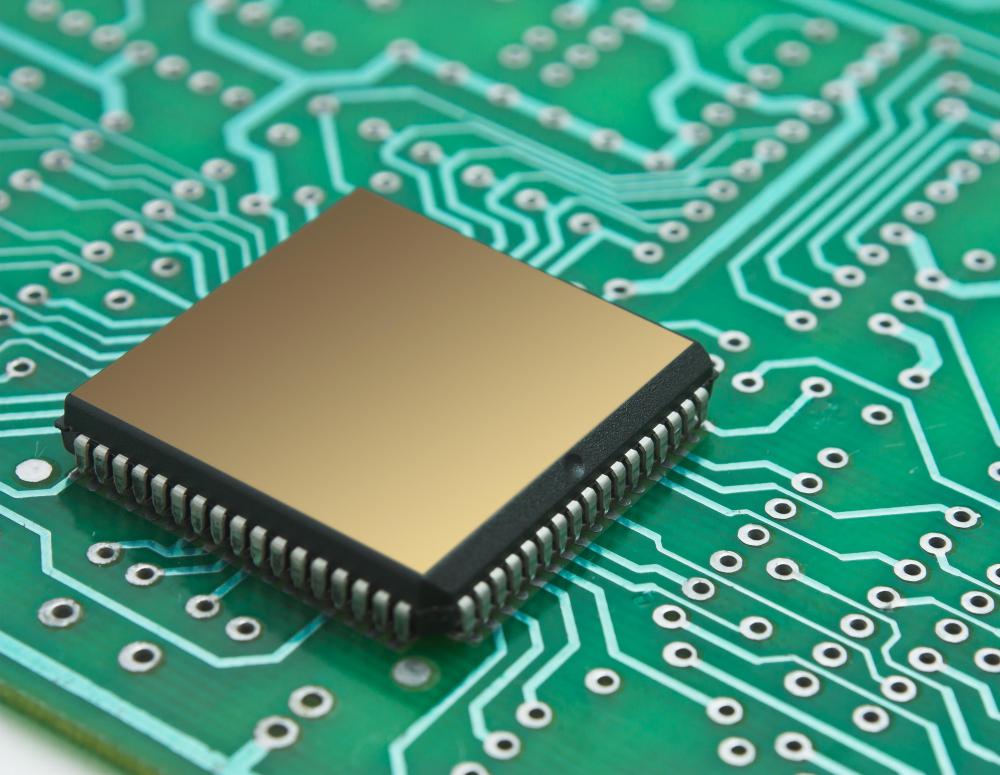
The evolution of iPhone chips has been a remarkable journey, showcasing Apple’s commitment to innovation and performance enhancements over the years. From the original iPhone to the latest models, each generation has brought forth significant advancements in processing power, energy efficiency, and overall capabilities. The A-series chips play a pivotal role in this evolution, serving as the heart of every iPhone.
Apple’s A-series chips have consistently pushed the boundaries of smartphone performance, becoming a benchmark in the industry. Initially, the first A4 chip introduced in the iPhone 4 marked Apple’s entry into custom silicon design, setting the stage for future developments. Each successive chip has brought improvements in CPU and GPU performance, memory management, and AI capabilities, thereby enhancing user experience and enabling sophisticated features.
Significance of A-Series Chips
The A-series chips are integral to the iPhone’s performance, influencing speed, efficiency, and the ability to handle complex tasks. Here’s a comparison of several notable A-series chips, highlighting their specifications and features:
| Chip | Release Year | CPU Cores | GPU | Key Features |
|---|---|---|---|---|
| A4 | 2010 | 1 | PowerVR SGX535 | Introduced graphics performance, first custom chip |
| A10 Fusion | 2016 | 4 | PowerVR Series7XT | First 4-core processor, better multitasking |
| A12 Bionic | 2018 | 6 | Apple GPU (4-core) | Neural Engine for enhanced machine learning tasks |
| A14 Bionic | 2020 | 6 | Apple GPU (4-core) | 5nm process technology, improved energy efficiency |
| A15 Bionic | 2021 | 6 | Apple GPU (4-core) | Enhanced performance for demanding applications |
The advancements from A4 to A15 illustrate the rapid growth in computing power and efficiency. Each chip iteration has included enhancements such as increased core counts, advanced graphical capabilities, and dedicated neural processing units, allowing for more sophisticated applications, improved gaming experiences, and better battery management.
“The A-series chips not only power the iPhone but also define its capabilities, setting a new standard in smartphone technology.”
Performance and Efficiency
The advancements in iPhone chip technology have significantly enhanced both performance and efficiency, setting a new benchmark for mobile devices. With each iteration, Apple has demonstrated its commitment to delivering powerful processing capabilities while optimizing battery life, ensuring users receive an unparalleled experience.
The latest chips, such as the A16 Bionic, leverage cutting-edge architecture to enhance processing speed and power management. These innovations contribute to longer battery life, allowing users to engage in resource-intensive activities such as gaming and video editing without frequent recharges. Apple’s chips utilize a combination of high-performance cores and energy-efficient cores, dynamically shifting workloads to optimize both speed and battery consumption.
Real-World Performance Benchmarks
In practical scenarios, the performance of iPhone chips can be illustrated through various benchmarks that exemplify their capabilities. The A16 Bionic chip, for instance, sets a record in CPU and GPU performance, surpassing previous generations and competing models in the market.
Some notable examples of performance benchmarks include:
- Geekbench 5: The A16 Bionic scores around 1,850 in single-core and over 4,800 in multi-core tests, showcasing substantial improvements over the A15 Bionic.
- GFXBench (Aztec Ruins): In graphics tests, the A16 Bionic outperforms its competitors, rendering complex scenes at high frame rates, effectively supporting demanding applications and games.
- Battery Life Tests: Under regular use, iPhones powered by A16 Bionic chip exhibit battery life extending beyond 20 hours, thanks to optimized power management strategies.
These benchmarks reflect not only the raw power of the chips but also their capability to handle multitasking and demanding applications efficiently.
Chip Architecture and App Performance Optimization
The architecture of the iPhone chips plays a crucial role in maximizing app performance. Innovations in chip design, such as the integration of dedicated machine learning (ML) accelerators, enhance the processing of complex tasks like image recognition and natural language processing within applications.
The impact of chip architecture on app efficiency is manifested in several ways:
- Performance Cores: High-performance cores are designated for demanding tasks, while energy-efficient cores manage background processes, ensuring that battery life is conserved during lighter usage.
- Unified Memory Architecture: This design allows the CPU, GPU, and other components to access the same memory pool, reducing latency and improving data transfer speeds, which is vital for performance-intensive applications.
- Advanced GPU Rendering: The integration of powerful GPUs facilitates smooth rendering of graphics in games and professional applications, contributing to an immersive user experience.
The synergy between chip architecture and software optimization means that developers can build more sophisticated and capable applications, resulting in a richer ecosystem for iPhone users.
Security Features: Chip Iphone
The iPhone’s chip technology plays a paramount role in establishing robust security measures that safeguard user data. With an unwavering commitment to privacy, Apple incorporates sophisticated hardware encryption and secure enclave technology in its devices, ensuring that sensitive information remains protected from unauthorized access.
The integration of hardware encryption within iPhone chips delivers significant security advantages. Unlike software-based encryption, hardware encryption operates independently from the main operating system, providing layers of security that are more difficult for malicious actors to infiltrate. This high-level encryption ensures that data such as texts, emails, and credit card information is stored securely, making it virtually inaccessible to hackers, even if the device is physically compromised.
Secure Enclaves in Chips
Secure enclaves are dedicated security components within the iPhone’s chip architecture that create a separate, isolated environment for sensitive operations. This separation is critical for protecting user data from malicious software and potential breaches.
The following highlights the importance and functionality of secure enclaves:
– Data Protection: Secure enclaves manage sensitive tasks, including storing cryptographic keys and processing biometric data, without exposing this information to the main operating system.
– Secure Boot: Upon device startup, the secure enclave ensures that the operating system has not been tampered with, establishing a trustworthy foundation for the device’s operations.
– Biometric Security: Secure enclaves are integral to the functionality of Face ID and Touch ID. They process biometric scans locally and securely, ensuring that the data is never transmitted outside the enclave.
The secure enclave architecture solidifies the iPhone’s reputation as a leader in device security, ensuring that even if a hacker gains access to the device’s main operating system, they remain unable to access sensitive data secured within the enclave.
Contribution to Face ID and Touch ID Functionalities
The chips within the iPhone are crucial in facilitating advanced biometric authentication methods such as Face ID and Touch ID. These features rely on complex algorithms and secure processing to validate user identity.
The following points Artikel the process through which the chip technology supports these functionalities:
– Face ID: The TrueDepth camera system captures over 30,000 invisible dots to create a detailed depth map of the user’s face. This data is processed by the secure enclave, which confirms the identity by comparing it with the stored facial map.
– Touch ID: The fingerprint sensor creates a detailed image of the fingerprint and converts it into a mathematical representation. This representation is then stored securely within the secure enclave, allowing for rapid and secure authentication without exposing sensitive fingerprint data.
– Authentication Speed and Efficiency: Both Face ID and Touch ID utilize the processing power of the iPhone’s chip to ensure swift authentication, allowing users to unlock their devices and authorize payments seamlessly.
Through this advanced integration of chip technology, the iPhone not only empowers users with convenience but also ensures that their personal data remains private and secure.
Future of Chip Technology in iPhones
As the smartphone market evolves, the future of iPhone chip technology promises to bring significant advancements that could redefine user experience and performance benchmarks. Apple has consistently pushed the envelope in chip design, and with the increasing demand for more powerful, efficient, and secure devices, speculation about the next generation of iPhone chips is rife with excitement and anticipation.
Emerging trends in chip design point toward a future where iPhone chips will not only enhance performance but also integrate cutting-edge technologies such as artificial intelligence and machine learning directly into the hardware. This could lead to improvements in areas such as graphics rendering, battery life, and overall system responsiveness. Moreover, as Apple continues to focus on sustainability, the next iteration of chips may also emphasize energy efficiency, reducing the carbon footprint of each device.
Advancements in Chip Technology
The upcoming iPhone models are likely to feature several advancements in chip technology, reflecting the broader trends within the industry. These advancements may include:
- Increased Transistor Density: Utilizing smaller fabrication processes, such as 3nm technology, can lead to chips with higher transistor counts. This directly translates to improved performance and efficiency, allowing for faster processing speeds and better multitasking capabilities.
- Integrated AI Coprocessors: Future chips may integrate dedicated AI cores, enabling on-device machine learning capabilities. This would enhance features such as facial recognition, photography enhancements, and real-time language translation without relying heavily on cloud processing.
- Custom Hardware Accelerators: Apple may introduce specialized hardware for tasks like image processing and gaming to enhance performance while minimizing power consumption. Such accelerators can significantly optimize the user experience for demanding applications.
- Advanced Thermal Management: With performance improvements, maintaining optimal operating temperatures will be crucial. Future chips could incorporate more sophisticated thermal management systems, ensuring devices run cooler even under stress.
Emerging Trends in Chip Design
In the realm of chip design, several trends are becoming prominent that Apple is likely to adopt in their future iPhones. These trends include:
- Modular Design: The trend towards modular chip designs allows for easier upgrades and repairs. Apple could leverage this concept to enable specific components of the chip to be updated without replacing the entire unit, extending the device’s life cycle.
- 3D Packaging Techniques: The use of 3D stacking for chip components can enhance data transfer speeds and reduce physical space requirements. This may result in thinner devices without compromising on performance.
- Focus on Security: With increasing concerns around data privacy, future chips may incorporate advanced security features such as hardware-based encryption and secure enclaves to protect sensitive information even further.
- Collaboration with Third-Party Chipmakers: Apple may seek partnerships with specialized chip manufacturers to integrate cutting-edge technologies and innovations that enhance overall device capabilities.
Influence of Competitors’ Chip Technologies, Chip iphone
The competitive landscape of smartphone processors is rapidly evolving, leading to increased pressure on Apple to innovate. Notable competitors like Qualcomm and Samsung are consistently releasing powerful chipsets that challenge Apple’s dominance. Apple may need to consider the following strategies in response to competitors’ advancements:
- Benchmarking and Performance Metrics: Apple will likely continue to benchmark its chips against competitors like Qualcomm’s Snapdragon series, ensuring that performance metrics remain superior or at least competitive.
- Adopting New Manufacturing Processes: As competitors move towards smaller process nodes, Apple may invest in similar or more advanced technologies to maintain a performance edge.
- Enhancing Software Optimization: In parallel with hardware upgrades, Apple will continue to optimize iOS for maximum efficiency and performance, ensuring that even older devices can leverage new chip capabilities.
- Innovative Features: To stand out, Apple may introduce unique features that competitors do not offer, such as unique AI capabilities or enhanced security protocols, positioning its chips as the industry’s gold standard.
Common Queries
What are A-series chips?
A-series chips are Apple’s custom processors designed to enhance the performance and capabilities of iPhones.
How do iPhone chips impact battery life?
The latest iPhone chips improve efficiency, allowing for better battery management and longer usage times.
What role do chips play in iPhone security?
iPhone chips incorporate hardware encryption and secure enclaves to protect sensitive user data.
Can iPhone chips affect app performance?
Yes, the architecture of iPhone chips is optimized to enhance app performance, resulting in smoother operation.
What future trends might we see in iPhone chip technology?
We may see advancements in artificial intelligence integration, improved processing power, and enhanced energy efficiency in future iPhone chips.
The Galaxy Note 2 remains a significant milestone in smartphone history, combining a large display with stylus functionality. Its impressive features paved the way for future devices, illustrating how user experience can be enhanced through innovative design. As technology evolves, examining earlier models like the Note 2 offers valuable insights into the advancements we now take for granted.
When discussing smartphone performance, the chip iPhone plays a crucial role. Apple’s proprietary chips consistently deliver powerful performance and efficiency, allowing for a seamless user experience. As each new generation is released, it showcases significant improvements that push the boundaries of what smartphones can achieve, setting a high standard in the industry.