Starting with samsung galaxy s ii, this remarkable smartphone has left an indelible mark on the tech landscape since its debut. Released in 2011, it quickly captivated users with its sleek design, impressive performance, and innovative features that laid the groundwork for future devices. From its vibrant display to its powerful camera, the Samsung Galaxy S II showcases a blend of style and functionality that continues to resonate with tech enthusiasts.
The device boasts a range of specifications that were groundbreaking at the time, including a dual-core processor and customizable user interface options. With its TouchWiz overlay, users found themselves immersed in a seamless experience, coupled with the flexibility to tailor their devices to their liking. The Galaxy S II not only pushed the boundaries of smartphone technology but also set a benchmark that would influence subsequent models.
Samsung Galaxy S II Overview
The Samsung Galaxy S II, launched in April 2011, marked a significant milestone in the smartphone industry, showcasing the capabilities of Android devices at that time. With its sleek design and powerful features, it quickly became one of the most popular smartphones on the market, setting a precedent for future Samsung Galaxy models.
The design of the Samsung Galaxy S II is characterized by its slim profile and lightweight construction, making it exceptionally portable. Its dimensions of 125.3 x 66.1 x 8.49 mm and weight of just 116 grams contribute to its comfortable handling. The device sports a 4.3-inch Super AMOLED display, offering vibrant colors and deep contrasts, which enhances the overall user experience. The glass front and plastic back provide a sturdy yet lightweight feel, while the metallic trim around the edges adds a touch of sophistication.
Specifications and Performance Metrics, Samsung galaxy s ii
The Samsung Galaxy S II is equipped with impressive specifications that were cutting-edge at the time of its release. Here are the key performance metrics:
- Processor: Dual-core 1.2 GHz Cortex-A9 processor, providing swift performance and efficient multitasking capabilities.
- RAM: 1 GB RAM, ensuring smooth operation and quick app responsiveness.
- Storage Options: Available in 16 GB and 32 GB internal storage variants, with the option for expansion via microSD card support up to 64 GB.
- Camera: 8 MP rear camera with LED flash, capable of capturing high-quality images and 1080p video recording; 2 MP front camera for video calls.
- Battery: 1650 mAh battery, enabling decent battery life for everyday use.
The combination of these specifications positions the Samsung Galaxy S II as a formidable device in its time, appealing to users looking for performance and functionality. Its hardware capabilities complemented by the Android operating system provided a seamless user experience, making it a favored choice among smartphone enthusiasts.
User Experience and Interface
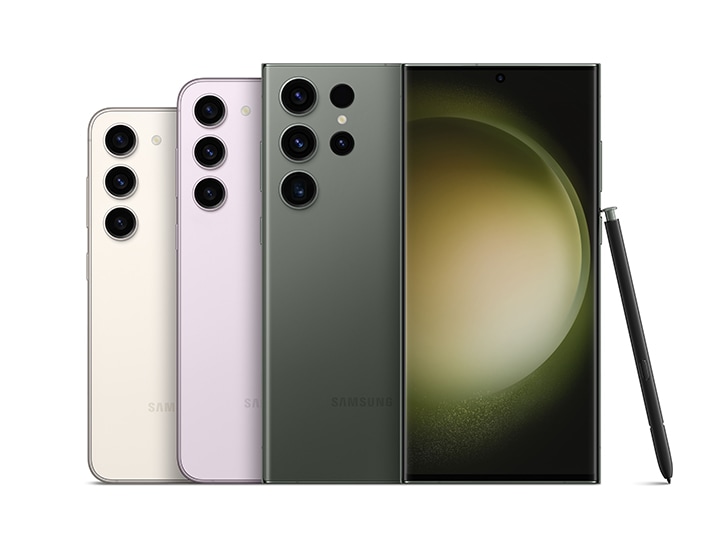
The user experience and interface of the Samsung Galaxy S II play a crucial role in defining how users interact with their devices on a daily basis. With its customized TouchWiz interface, the device offers a unique experience tailored to enhance usability and accessibility. Users often appreciate the fluidity of interactions and the availability of personalization options that make the device feel uniquely theirs.
The Samsung Galaxy S II employs the TouchWiz UI, which brings a host of features designed to improve user interaction. The interface is known for its vibrant icons, customizable home screens, and a variety of widgets that allow users to tailor their experience. Users can easily add, remove, or rearrange apps and widgets on their home screens, giving them the freedom to organize their device according to their preferences. Additionally, the interface supports multi-tasking, allowing users to run applications side by side, a significant advantage for productivity.
TouchWiz Features
The TouchWiz interface on the Samsung Galaxy S II is equipped with a variety of features aimed at enhancing user experience. Below are some notable aspects:
- Customizable Home Screens: Users can create multiple home screens and arrange them with widgets, app shortcuts, and folders for easy access to their most-used applications.
- Live Widgets: The device offers dynamic widgets that update in real-time, providing users with instant information such as weather updates, news feeds, and calendar events.
- Task Manager: A built-in task manager enables users to easily manage running applications, facilitating smoother navigation and better memory management.
- Advanced Settings: The settings menu is intuitively designed to allow users to customize notifications, display options, and connectivity settings, enhancing overall usability.
User feedback regarding software updates indicates that Samsung has consistently worked to improve the user experience. Over time, numerous updates have introduced new functionalities, security enhancements, and optimizations that refine the operating system’s performance. These updates have generally been well-received, with users noting improved speed and stability following upgrades.
User Customization Options
The Samsung Galaxy S II provides extensive customization options that empower users to tailor their devices to suit their individual tastes and preferences. This flexibility is one of the key selling points of the device:
- Theme Support: Users can download and apply various themes to change the overall look and feel of the device, including colors, icons, and fonts.
- App Integration: The device seamlessly integrates with a variety of apps, allowing users to choose from a vast library of applications available on the Google Play Store to enhance functionality.
- Multi-Window Feature: Certain updates introduced the ability to run two applications simultaneously, allowing for efficient multitasking, which is particularly useful for users who need to juggle different tasks.
The combination of TouchWiz features, continual software updates, and extensive user customization options contribute to a user experience that is not only appealing but also functional. These elements make the Samsung Galaxy S II a popular choice among smartphone users who value both aesthetics and usability in their devices.
Camera Capabilities
The Samsung Galaxy S II boasts impressive camera capabilities that cater to both casual users and photography enthusiasts. With its range of specifications and features, the camera aims to deliver high-quality photos and videos in various conditions. The device is equipped with a rear-facing 8-megapixel camera and a front-facing 2-megapixel camera, making it versatile for different photography needs.
The primary camera on the Galaxy S II includes several notable features, enhancing its usability and performance. These specifications and features include autofocus, flash, and the ability to capture images at a maximum resolution of 3264 x 2448 pixels. The camera also supports various shooting modes, including panorama and HDR, which significantly enhance the overall photography experience.
Camera Performance in Various Lighting Conditions
The performance of the Samsung Galaxy S II camera varies significantly across different lighting environments. In bright outdoor conditions, the camera excels, delivering sharp images with vibrant colors and good detail retention. However, the true test comes in low-light scenarios where the device’s performance may not be as stellar.
In low-light situations, the camera tends to struggle with noise, and colors can appear muted. The flash provides additional illumination, but it can sometimes lead to harsh lighting and overexposed areas in the image. Users often find that using the HDR mode can help to balance the light and enhance shadows, thus producing a more desirable outcome.
Photography and Video Recording Features
The Samsung Galaxy S II is equipped with an array of features that facilitate both photography and video recording. These features cater to different preferences and enhance the user’s creative options. Key features of the camera include:
- Autofocus: Allows users to capture sharp images quickly by automatically adjusting the focus based on the subject’s distance.
- Flash: The LED flash provides additional light in poorly lit environments, improving photo quality.
- Image Stabilization: Reduces blurriness in images caused by shaky hands, especially useful for low-light shots.
- Video Recording: Capable of recording 1080p video at 30 frames per second, providing clarity and smoothness in motion.
- Shooting Modes: Includes options like panorama, continuous shooting, and HDR, allowing for diverse photographic styles.
Additionally, the camera app includes settings such as exposure control and white balance, which enable users to adjust the image settings according to their preferences. The device also allows the user to apply various filters and effects in real-time, enhancing creativity during the shooting process.
In summary, the Samsung Galaxy S II camera combines a robust hardware setup with an intuitive software interface, making it a competent device for capturing moments on the go.
Comparisons with Other Models
The Samsung Galaxy S II marked a significant evolution in the smartphone market, not only as a successor to the original Galaxy S but also as a pivotal player against its contemporaries. This section elucidates the key differences between the Galaxy S II and its predecessors and successors, while providing insights into how it fared against competitive devices released during its era. Furthermore, we will explore the legacy of the Galaxy S II and its influence on future smartphone designs.
Comparison with Predecessor and Successors
When analyzing the differences between the Samsung Galaxy S II and its predecessor, the original Galaxy S, several notable advancements emerge. The Galaxy S II featured a larger 4.3-inch Super AMOLED Plus display, providing richer colors and deeper contrasts compared to the 4-inch display of the Galaxy S. Additionally, the Galaxy S II was powered by a dual-core processor, a stark contrast to the single-core processor found in its predecessor. This leap in performance allowed for smoother multitasking and enhanced gaming experiences.
As for the successors, the Galaxy S III introduced an even larger 4.8-inch display and a more refined design with a plastic build that was nonetheless more ergonomic. The Galaxy S III also boasted improved camera capabilities, including a new 8-megapixel sensor with features like burst mode. Despite these advancements, the Galaxy S II laid the groundwork with its design language and performance, setting a standard for subsequent models in the Galaxy lineup.
Competitive Devices in the Same Era
The Samsung Galaxy S II was not alone in a competitive landscape filled with impressive devices. The HTC Sensation and the Motorola Droid Razr were two notable competitors during its launch. The HTC Sensation featured a similar dual-core processor and a 4.3-inch display; however, the Galaxy S II offered superior software optimizations with its TouchWiz interface and better overall performance in benchmark tests.
Meanwhile, the Motorola Droid Razr was celebrated for its ultra-slim design and durable materials but fell short of the Galaxy S II’s vibrant display and camera capabilities. The Galaxy S II consistently outperformed these devices in various performance tests, establishing itself as a leading choice among consumers during its release.
Legacy and Impact on Future Smartphone Designs
The legacy of the Samsung Galaxy S II extends far beyond its specifications; it set a precedent for future smartphone designs and features that are now industry standards. The introduction of the Super AMOLED Plus display technology was revolutionary, paving the way for vibrant screens in modern smartphones. Its sleek design influenced subsequent models not only within Samsung’s lineup but across the industry.
Moreover, the Galaxy S II’s emphasis on camera quality and performance encouraged manufacturers to prioritize these features in their future offerings. The phone’s success underscored the importance of user experience, leading to enhancements in software interfaces and hardware integration that continue to shape how smartphones are developed.
In summary, the Samsung Galaxy S II distinguished itself from both its predecessor and competitors, ultimately influencing the trajectory of smartphone design and innovation for years to come.
Questions Often Asked: Samsung Galaxy S Ii
What was the release date of samsung galaxy s ii?
The samsung galaxy s ii was released in April 2011.
What are the storage options available for samsung galaxy s ii?
The device originally offered 16GB and 32GB storage options, expandable via microSD.
Does samsung galaxy s ii support 4G connectivity?
No, the samsung galaxy s ii only supports 3G connectivity.
What version of Android does samsung galaxy s ii run?
The samsung galaxy s ii originally shipped with Android 2.3 (Gingerbread) and was upgradable to Android 4.1 (Jelly Bean).
How does samsung galaxy s ii compare to its predecessor?
The samsung galaxy s ii featured significant upgrades in processing power, display quality, and camera capabilities compared to its predecessor, the Galaxy S.
The Samsung Galaxy S11 has made waves in the smartphone industry with its cutting-edge features and impressive camera capabilities. As technology advances, this flagship model showcases what Samsung has to offer, making it a top contender for those seeking premium devices.
In contrast, the Samsung Galaxy S 4 , released years earlier, set the stage for many innovations we see today. While it may not boast the latest tech, this model remains a beloved choice for users who appreciate its design and functionality.